The fuel crisis in Egypt is no longer a passing topic read in price bulletins. It has become a real indicator of the depth of Egypt’s economic exposure to external shocks. At NHG Experts for Business Development, we believe that understanding this crisis in depth is the starting point for any sound investment decision in Egypt. So what lies behind this crisis, and how does it affect operating costs and investment decisions?
Why has the fuel crisis in Egypt become more than just a periodic price increase?
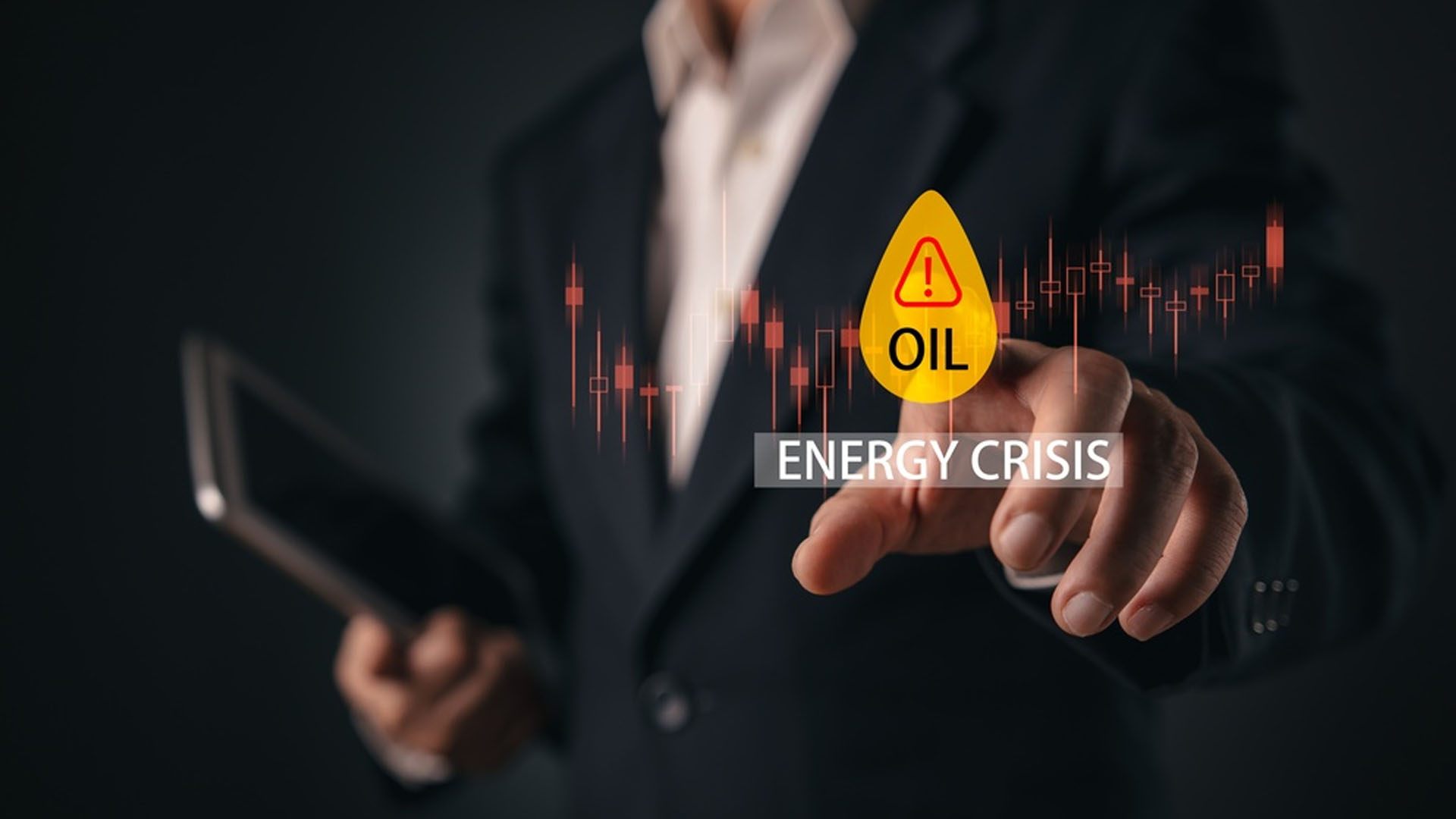
It is no longer accurate to see the recent rise in gasoline and diesel prices as an isolated periodic adjustment. What happened in March 2026 was a clear expression of the pressures of energy security in Egypt amid sharp regional tensions. Egypt raised gasoline and diesel prices by up to about 17%, with the diesel price climbing to 20.50 Egyptian pounds per liter. This decision came while Egypt suffers from the escalating gas crisis in Egypt, declining local production, and rising energy costs for companies. The crisis is therefore not just a number on the price list; it is a structural exposure to external shocks that requires deep analysis and strategic action.
Why does imported gas represent a burden on the general budget?
The suspension of Israeli gas exports to Egypt during the recent military tensions reminded everyone of the vulnerability of relying on imported gas. Egypt now contracts for 150 to 160 shipments of liquefied natural gas each year to cover local demand. This raises the import bill, increases demand for dollars, and puts growing pressure on the general budget. This burden is directly reflected in the natural gas crisis in Egypt and narrows the economic decision-maker’s room for maneuver amid escalating regional tensions.
Request a feasibility study that takes energy scenarios and fuel prices into account. Contact us via WhatsApp to schedule an appointment: 01555388736.
How is the gas crisis in Egypt linked to imported inflation in Egypt ?
The connection between the gas crisis in Egypt and the fuel crisis in Egypt is a direct economic one. When the flow of cheaper pipeline gas decreases, the state turns to more expensive alternatives such as liquefied gas. This raises the import bill and fuels imported inflation in Egypt. The chain reaction moves to electricity, industry, transport, services, and the prices of basic goods. Citizens feel the fuel prices and their impact on the economy not only at the fuel station but across the entire economy, from transportation fares to the cost of food, medicine, and daily services.
How does the cost of fuel transfer to the prices of goods and services?
The rise in the fuel crisis in Egypt drives up industrial production costs and increases transportation and logistics expenses. Factories that run on gas or mazut face direct pressure on their profit margins, which is reflected in the final product prices and their competitiveness. That is why, at NHG Experts for Economic Consultations, we believe that any feasibility study today must include clear sensitivity scenarios for energy price fluctuations. Otherwise, it is an incomplete study in light of what is the connection between the gas crisis and the rise in fuel prices in Egypt.
Talk to our team of NHG Experts to assess the crisis’s impact on your investment project. Message us on WhatsApp: 01555388736.
You can also read:
- Investment opportunities with a financial consulting office
- Opportunities for foreign investor in Saudi Arabia
- The difference between feasibility studies and business plans
What is the impact of Red Sea disruptions on Suez Canal revenues and foreign currency?
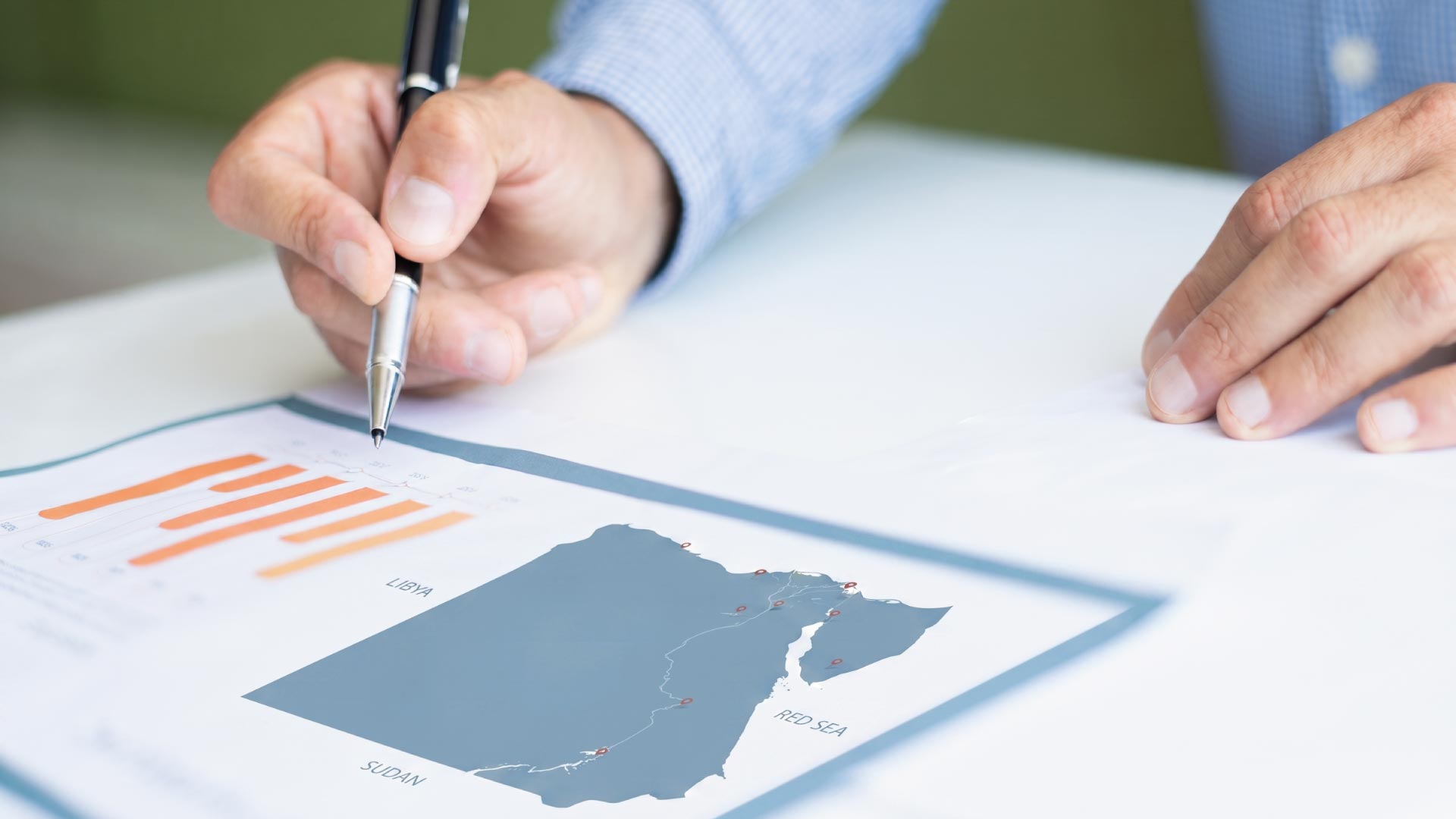
The effect of Red Sea disruptions on the Egyptian economy and investment was clearly seen in the Suez Canal figures. President El-Sisi stated that the canal’s monthly losses reached about $800 million due to the impact of the war on the markets of shipping. In 2024, Egypt lost nearly $7 billion in Suez Canal revenues after traffic dropped by more than 60%. Global supply chains shifted away from usual routes, doubling shipping and insurance costs. Egypt faces a harsh equation: it pays more for energy and goods while simultaneously losing a major source of foreign currency.
How does the Gulf investor read the indicators of Egypt’s economic resilience?
On the positive side, remittances from Egyptians abroad jumped 40.5% in 2025 to reach a record $41.5 billion, providing important breathing room. However, exchange rate stability still depends on the continued flow of these remittances and the stability of Gulf labor markets. The question now at the forefront of investors’ discussions is whether the energy crisis in Egypt threatens the expansion of Gulf companies. The indicators show partial resilience, but investment risks in Egypt are increasingly linked to the continuity of energy security of Egypt and the state’s ability to manage external shocks.
Book a strategic consultation to re-price costs and protect margins through our website: https://nhgexperts.com/en
What are the strategic alternatives to strengthen energy security of Egypt and reduce risks?
The real solution to the fuel crisis in Egypt goes beyond waiting for the war to calm down. It requires rebuilding the energy security of Egypt model from the ground up. The strategic alternatives include: diversifying gas suppliers, accelerating the development of local fields, expanding liquefied natural gas infrastructure, seriously expanding renewable energy in Egypt to ease pressure on gas, and improving energy efficiency in industry and homes. For companies, the best feasibility study under rising energy costs is one that builds multiple scenarios, taking into account fluctuations in the fuel crisis in Egypt and geopolitical risks.
Why do companies need a feasibility study that is sensitive to energy fluctuations?
At NHG Experts for Consultations, we see that investing during economic crises requires different analytical tools. How the fuel crisis in Egypt affects investors decisions is not a theoretical question, it is a mathematical equation that must enter every financial model. Economic crisis management and proactive planning for energy costs are essential to protect profit margins. Financial planning in times of inflation means restructuring operating budgets, diversifying energy sources, and updating pricing models regularly. The energy crisis in Egypt is not a final barrier to investment; it is a test of the quality of planning and the strength of the financial model.
Which sectors are most exposed to energy risks in Egypt?
Rising fuel prices in Egypt hit the most energy-intensive sectors first: heavy industries, transport and logistics, irrigated agriculture, and the tourism sector. The gasoline and diesel crisis directly increases operating costs and redraws the economic feasibility map for many projects. The gas and energy crisis in Egypt adds to the pressures of fuel impacts on the Egyptian economy, creating an exceptional operating environment that needs NHG Experts for Business Development, specialists in reading this data and turning it into actionable strategic recommendations.
Start a more flexible Gulf expansion plan amid supply fluctuations. Contact us via WhatsApp today: 01555388736.
You can also read:
- Gas and fuel crisis in Egypt after the recent war
- Impact of regional geopolitical tensions on Gulf investment
- Fuel pricing in Egypt and its effect on investment
Conclusion:
The fuel crisis in Egypt reveals a structural weakness in the energy security model that needs deep treatment, not temporary relief. The difficult equation, paying more for energy while losing part of foreign currency inflows at the same time, makes the question of how the fuel crisis in Egypt affects investors decisions a critical one. Yet Egypt possesses real potential: abundant solar and wind energy, a strategic logistic location, and a large local market. At NHG Experts for Business Development, we help you interpret these opportunities accurately and build investment models that can withstand energy price fluctuations and geopolitical risks.
Contact us to qualify your company for investment amid geopolitical risks.
Frequently Asked Questions:
Is the fuel crisis in Egypt only a price crisis?
No. The fuel crisis in Egypt goes far beyond price increases. It is an expression of economic exposure to external shocks, including declining local gas production, costly reliance on imports, and the pressure of the gas crisis in Egypt on the general budget and exchange-rate stability. The crisis is structural and requires systematic strategic solutions.
How does the gas crisis affect companies and factories?
The rise in the gas crisis in Egypt directly increases industrial production costs for energy-intensive companies. The reduction in preferential natural gas allocations forces factories to switch to more expensive sources, putting pressure on margins and requiring product re-pricing. Companies that are not prepared for this shift will find themselves in a weaker competitive position.
Is Egypt still attractive for investment despite energy pressures?
Yes. Egypt retains its investment appeal thanks to the size of its market, its strategic location, and its potential in renewable energy in Egypt. However, investment risks in Egypt have increased with rising energy pressures. The smart investor is the one who conducts an accurate assessment of these risks and builds his financial model on realistic scenarios with specialist experts.
What is the best response for companies facing energy fluctuations?
The best response combines: regular re-pricing of costs, studying options for energy efficiency and solar power, and including energy sensitivity analysis in feasibility studies. Economic crisis management begins with proactive planning, not reactive responses. At NHG Experts for Economic Consultations, we provide customized solutions for every sector to adapt to this volatile environment.
Contact NHG Experts now.