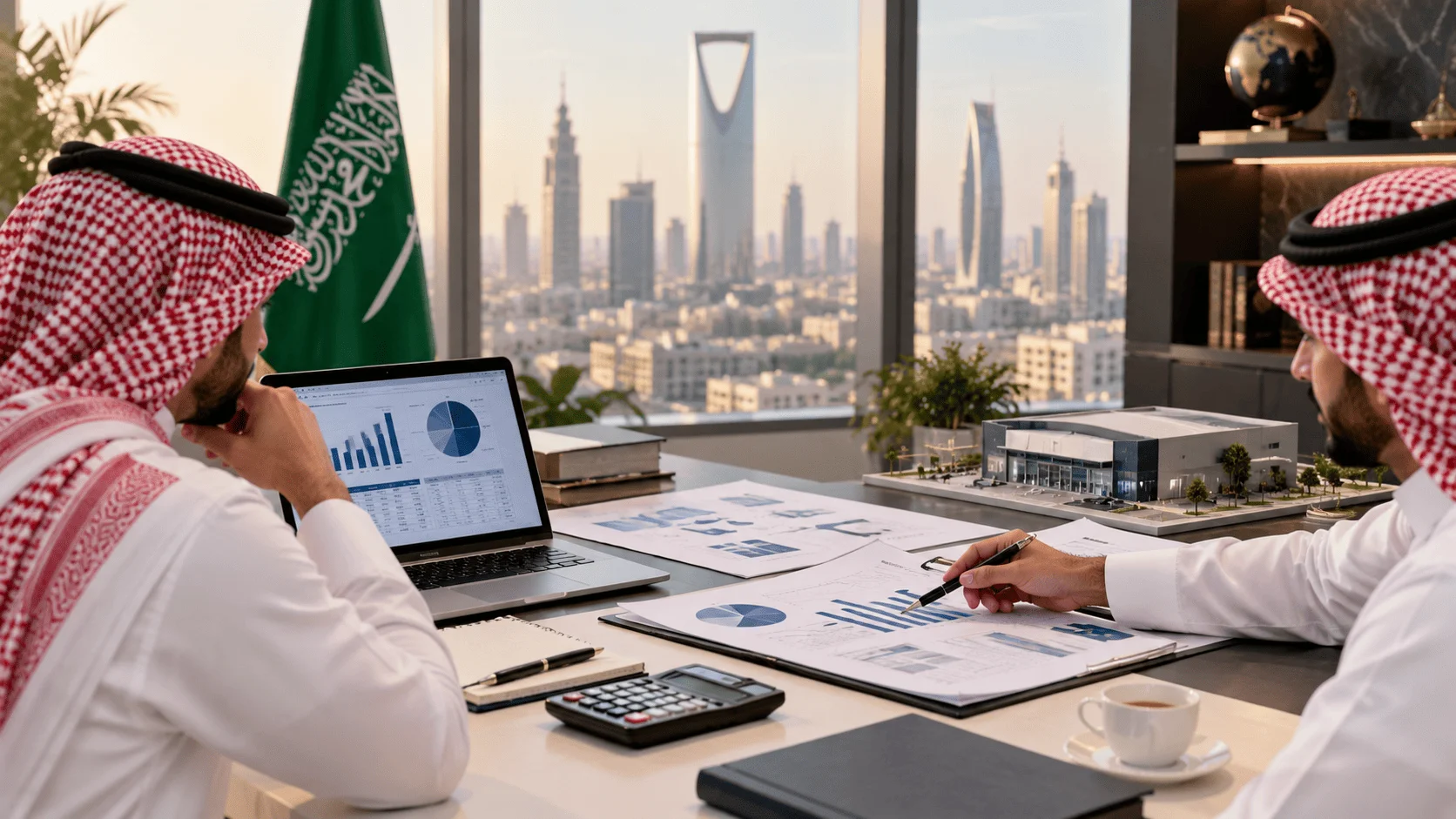
Gulf investment stands today at a critical crossroads. With rising geopolitical tensions across the region, reading the investment landscape with clarity has become a necessity, not a luxury. At NHG Experts for Business Development, we offer an objective analysis that balances the institutional strength of Gulf markets against regional challenges, to help you make sharper decisions on assets and expansion.
Why the Safe Haven Status of the Gulf Is No Longer Absolute
Why Gulf Markets Are Strong but Under Pressure
Gulf markets entered this phase from a position of strength, not weakness. Dubai’s real estate market recorded over 270,000 transactions in 2025, and foreign direct investment continued to flow at record levels. Yet the tense regional environment demands a more realistic reading of this strength. No serious investor can afford to ignore the impact of Gulf geopolitical risks on return expectations and on the stability of Gulf markets over the medium term. The safe haven has not disappeared, but it has shifted from absolute to conditionally relative.
The relatively safe haven that the region offers is built on a stable Gulf regulatory environment, a solid institutional framework, and accelerating economic diversification. These are genuine strengths that should not be understated. However, risk repricing has become unavoidable in light of the region’s growing instability, as confirmed by IMF and World Bank reports on Gulf economic resilience.
Request a feasibility study before entering any Gulf market under current risks. WhatsApp: 01555388736
How Strait of Hormuz Risks Shape Regional Investor Decisions
How Geopolitical Risks Flow Into Real Estate, Finance, and Logistics
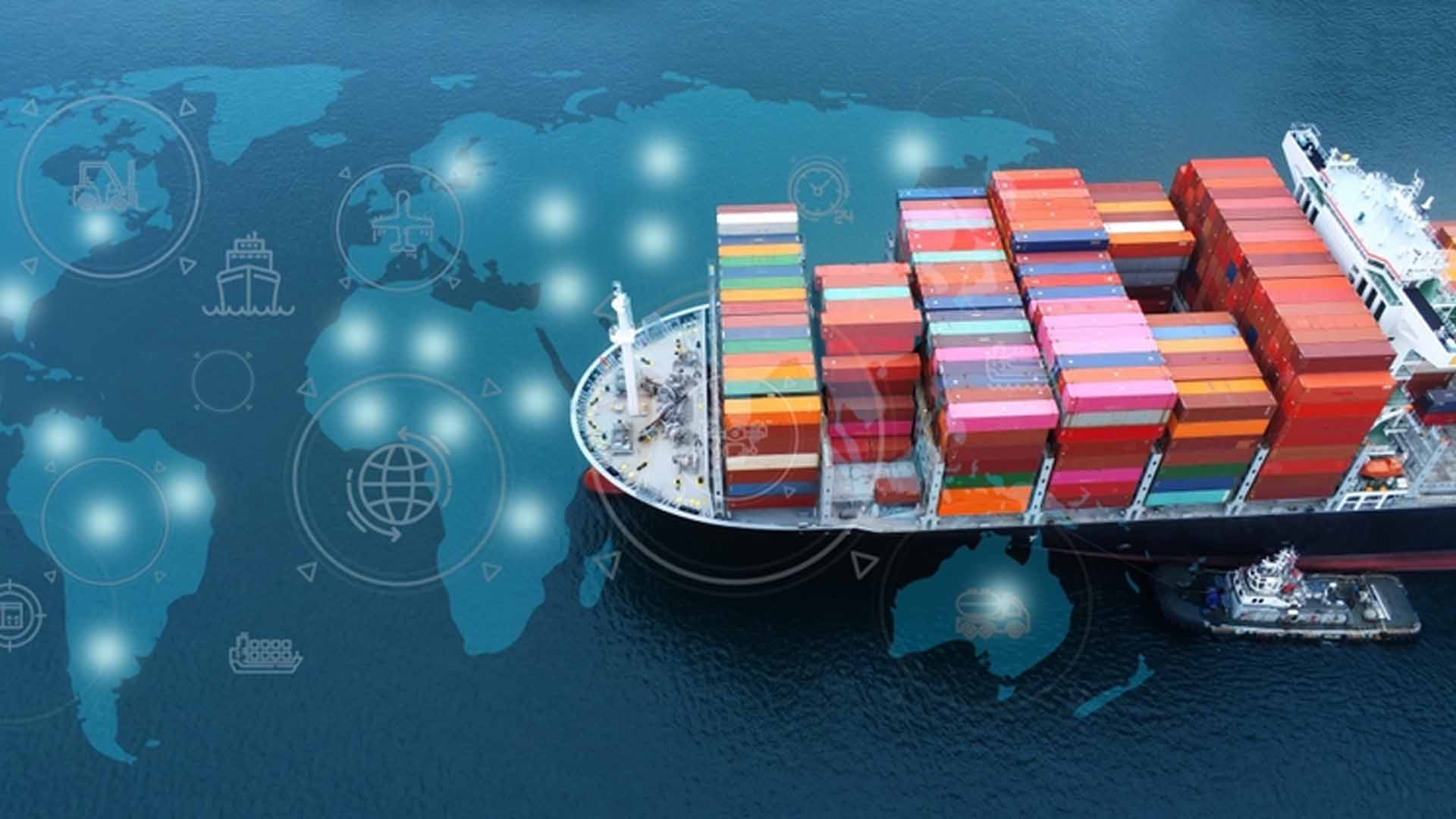
When the Strait of Hormuz becomes a point of threat or disruption, the issue no longer stays in the realm of security. It becomes an immediate economic factor affecting marine insurance costs, shipping activity, Gulf supply chains, and consequently, corporate decisions on expansion and positioning. Shipping reports from early 2026 documented a sharp disruption in vessel traffic through the Strait, alongside a notable rise in capital flows toward alternative safe havens such as gold and government bonds.
Strait of Hormuz risks do not only affect oil tankers. They extend to the Gulf real estate market by weakening international investor confidence, and they pressure the operational returns of companies operating in the region due to rising regional logistics risks. This means that international investor decisions now require a careful review of hidden costs before any long-term commitment in the region.
Are Gulf markets still attractive to regional investors ? The answer is yes, but with conditions. Gulf market attractiveness remains intact, but it is now contingent on a precise Gulf investment assessment built on multiple scenarios rather than fixed assumptions. This is exactly why NHG Experts for Consulting places scenario analysis at the core of every recommendation we make.
Book a consultation to assess Gulf investment opportunities using risk scenario models. WhatsApp: 01555388736
You can also read:
- Investment opportunities with a financial consulting office
- Opportunities for foreign investor in Saudi Arabia
- Analysis of the fuel crisis in Egypt
What Investment Data and Capital Flows Reveal About Gulf Market Strength
Which Assets Are Best Suited for the Gulf During Periods of Uncertainty
Data from the IMF and World Bank show that Gulf investment demonstrates remarkable adaptability during periods of uncertainty, with capital flows shifting toward defensive assets such as income-generating real estate, infrastructure, and government-linked spending sectors. These are precisely the sectors where foreign direct investment shows greater resilience against external pressures. Dubai led the world in new foreign direct investment projects in H1 2025 with 643 new projects recorded.
Evaluating investment opportunities in this phase requires a clear distinction between assets tied to real demand and those built on speculative expectations. Gulf investment opportunities have not disappeared; they have simply shifted in distribution. In our view at NHG Experts for Business Development, the most suitable sectors right now are those combining clear operational returns with low exposure to logistics risks.
To answer the question of which Gulf sectors are best for investment during crises, we point to renewable energy, healthcare, fintech, and residential real estate backed by genuine demand as the most resilient options. Regional investment in the Gulf through these sectors offers a higher safety margin compared to sectors with elevated logistical exposure.
Start a more precise Gulf expansion plan with our team at NHG Experts. WhatsApp: 01555388736
How Egyptian and Saudi Companies Can Expand Into the Gulf Cautiously
How the Smart Investor Changes Their Approach to Gulf Markets
Gulf investment remains a priority destination for Egyptian and Saudi companies seeking regional expansion. But the right entry approach today is fundamentally different from what it was before geopolitical tensions escalated. Gulf expansion for companies now requires a feasibility study grounded in the actual risks of Gulf investment, not on an outdated image of the region.
How companies assess Gulf expansion risks in current conditions is a question we receive daily at NHG Experts for Economic Consulting. Our answer is always the same: start with a thorough market analysis, then evaluate your exposure to Gulf geopolitical risks, then determine the right asset type for the entry phase. This methodology is what turns an expansion decision from a gamble into a well-informed move.
How geopolitical tensions affect Gulf investment is not a theoretical question. It is a practical one that every expansion plan must answer before execution. The smart investor does not withdraw from Gulf markets; instead, they change how they enter. They revisit the time horizon, rebalance defensive assets in their portfolio, and ensure a clear exit before committing. The impact of a Hormuz closure on Gulf investment decisions is one of the key variables our advisory teams analyze in depth.
Why Companies Need a Feasibility Study Before Gulf Expansion
Past experience and general impressions are not enough to make a sound expansion decision in a Gulf market under current conditions. Gulf investment assessment today requires updated data, risk scenario analysis, and a deep understanding of the local regulatory environment. Visit us at nhgexperts.com/en to learn how we can help your company build the right market entry plan.
Contact us to analyze the geopolitical risks on your Gulf project. WhatsApp: 01555388736
You can also read:
- The difference between feasibility studies and business plans
- Gas and fuel crisis in Egypt after the recent war
- Fuel pricing in Egypt and its effect on investment
Conclusion:
Gulf investment continues to represent a genuine opportunity for any company that reads the landscape well and builds its decisions on solid analytical foundations. Gulf markets possess the institutional depth that gives them exceptional resilience, yet geopolitical tensions have raised the bar for the level of caution and analysis required. Gulf investment opportunities have not vanished; they simply reward the prepared investor, not the hasty one. That is why NHG Experts for Consulting remains committed to rigorous analysis before any recommendation. Get a professional investment assessment that connects the Gulf market to your regional expansion strategy.
Frequently Asked Questions:
Are Gulf markets still an attractive investment destination despite regional tensions?
Yes, Gulf markets remain a leading investment destination thanks to their strong regulatory frameworks and economic diversification. However, Gulf geopolitical risks now demand more precise evaluation and scenario planning before any investment decision. The attractiveness is real, but it requires systematic preparation.
What is the impact of the Strait of Hormuz on Gulf investment decisions?
The Strait of Hormuz is a vital artery carrying over 20% of the global oil supply. Any disruption raises marine insurance costs and strains Gulf supply chains, directly impacting the operational returns of regional companies and shaping investor expectations across Gulf markets.
Which Gulf sectors are best positioned to absorb current shocks?
Renewable energy, healthcare, fintech, and residential real estate backed by genuine demand all show higher shock-absorption capacity. These sectors combine stable demand with low exposure to regional logistics risks, making them a safer choice within a Gulf investment portfolio under current conditions.
How does NHG Experts help companies assess Gulf expansion opportunities?
At NHG Experts for Business Development, we provide tailored feasibility studies and risk analyses for each Gulf market, along with multiple investment scenarios. We analyze the Gulf regulatory environment and your project’s exposure to geopolitical tensions, giving you a clear roadmap toward a safe and well-considered Gulf expansion.