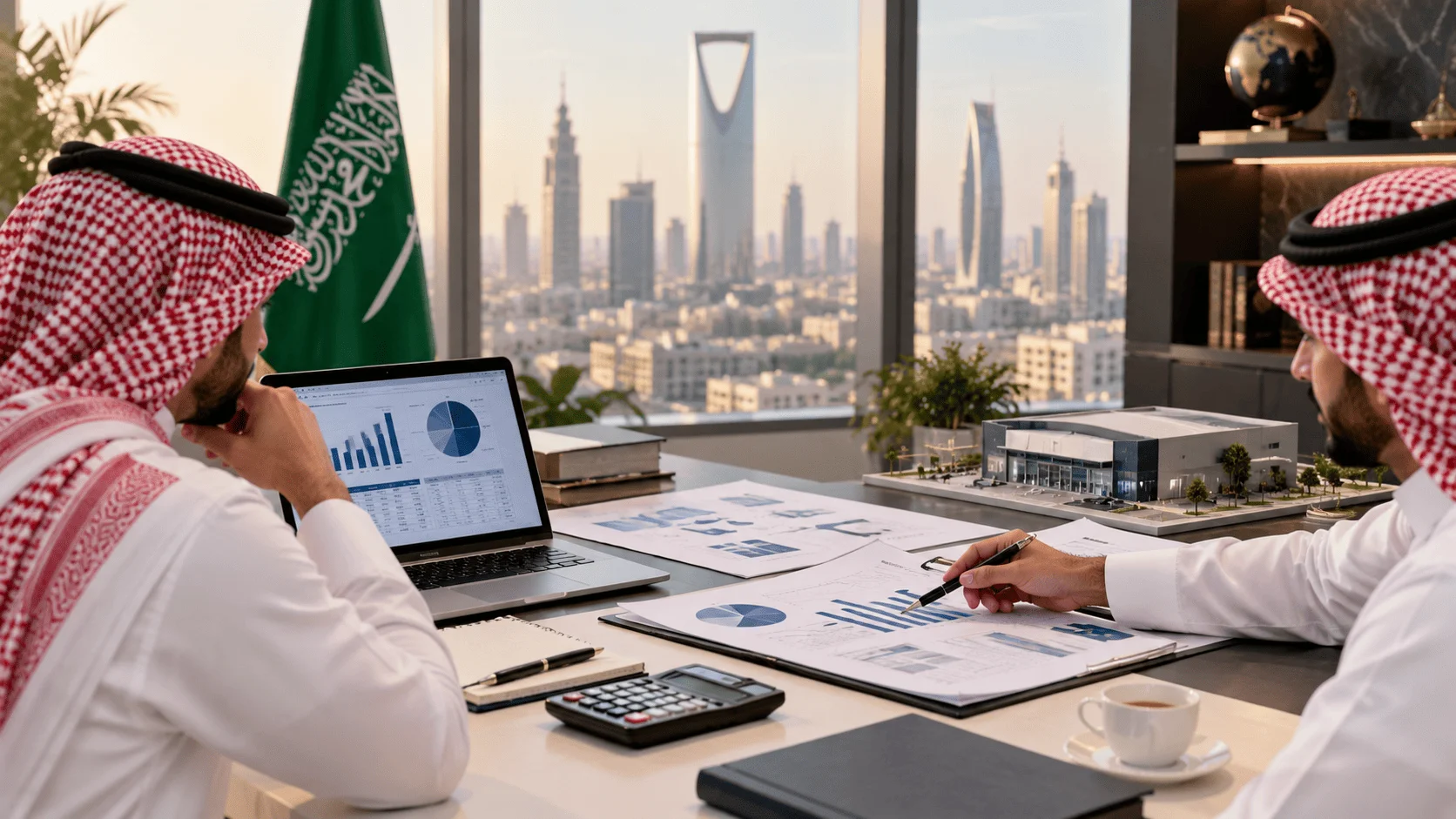
Types of strategic planning are not just academic models; they are real tools that define the trajectory of business success. At NHG Experts, we believe choosing the right planning type makes the difference between a thriving company and a struggling one. This article guides you to the optimal choice for your organization in Egypt and the Gulf.
Book a consultation session now with NHG Experts to select the most suitable type of planning for startups in Egypt and Saudi Arabia for your company. Contact us via WhatsApp: 01001189403
When Is Classical Strategic Planning the Best Fit for Companies in Stable Sectors in Egypt and the Gulf?

Classical planning is the most established among the types of strategic planning, relying on thorough analysis of the internal and external environment through environmental analysis, followed by the formulation of a clear vision and mission with long-term objectives spanning three to five years. This type suits organizations operating in relatively stable sectors such as traditional food manufacturing, long-term real estate, and government services. It is worth noting that corporate governance principles and financial transparency and disclosure are foundational pillars for this planning type to succeed in Egyptian and Gulf markets. What are the types of strategic planning that suit companies operating in the different Egyptian and Gulf markets ? This is the question you should start with before choosing your model. At NHG Experts, we assess your operational environment before recommending any planning model.
Practical Steps to Assess Your Business Environment’s Volatility and Choose the Right Strategic Planning Type
To determine whether classical planning suits your organization, evaluate three dimensions: market volatility, organizational maturity, and the time horizon of your decisions. Companies with an active board of directors governance role and a clear separation of ownership from management typically achieve the best results with this type. Types of strategic planning for companies in stable, regulated environments generally begin with the classical model before evolving toward more agile frameworks.
Request the development of a comprehensive strategic plan combining classical, agile, and operational planning for your upcoming project. WhatsApp: 01001189403
How Can Startups and Fast-Changing Sectors Benefit from Agile Strategic Planning Based on Experimentation?
Agile planning emerged as a response to an unpredictable world. Rather than a rigid multi-year plan, it relies on short cycles of three to twelve months with continuous updating of goals. It is one of the types of strategic planning best suited to tech companies, tourism, and logistics in the Gulf and Egypt. How do you choose between classical flexible and scenario planning based on the degree of market volatility in your sector ? The choice between classical and agile planning depends on your capacity for rapid experimentation and result measurement. In markets influenced by energy price shifts and policy changes, agile planning proves its worth. Multiple forms of strategic planning show that agility does not mean chaos; it means accountability and responsibility in management within shorter cycles.
Aligning Classical or Agile Planning with Expansion Plans in the Egyptian and Gulf Markets
When linking strategic planning to Gulf expansion, the importance of aligning the strategy with available resources and family business governance in preserving institutional identity while adapting to each market’s requirements becomes clear. The governance system in Gulf markets requires aligning governance standards in the Saudi and Egyptian markets with the chosen planning model, where the differences in types of strategic planning appear. NHG Experts combine both approaches to design an expansion roadmap that is both structured and flexible simultaneously.
You can also read:
- The importance of Financial Valuation of Saudi Companies
- The role of feasibility study firms in growth
- The meaning of corporate governance and its role in the sustainability of companies
The Importance of Planning with Future Scenarios in Confronting Crises and Energy Price Volatility in Gulf Markets
Scenario planning is the most crisis-appropriate option and is among the most sought-after types of strategic planning in our region today. The organization starts developing strategic plans for family businesses and develops optimistic, neutral, and pessimistic scenarios, each with a ready response plan activated at the first sign of that scenario materializing. This approach eliminates panic when a crisis strikes, because the company has already prepared the answers. Governance during economic crises defines who makes decisions and by what mechanism when a crisis hits, a principle that NHG Experts embeds within its methodology. Business sustainability through governance becomes achievable when a company knows how to respond to every contingency.
Designing Multiple Future Scenarios and Linking Them to Clear Crisis Response Plans
Our crisis management through scenario planning methodology at NHG Experts begins by identifying the key drivers of uncertainty in your sector, then building logical, consistent scenarios rather than random forecasts. Each scenario is linked to leadership succession plans in organizations and emergency decision-making protocols. Business sustainability through governance becomes possible when the company knows how to respond to every possibility. Strategic planning in Gulf markets necessarily requires clear energy scenarios tied to core business plans to ensure continuity.
Contact us to develop future scenarios and contingency plans to face the impact of energy price fluctuations on planning in the region. WhatsApp: 01001189403
How the Balanced Scorecard and Operational Planning Transform Strategy into Measurable Results
The balanced scorecard addresses a fundamental flaw in traditional planning: an excessive focus on financial metrics alone. It examines the organization from four perspectives: financial, customer, internal operations, and learning and growth. It is one of the types of strategic planning best suited to family-owned and mid-sized companies. How can the balanced scorecard and operational planning be linked to the Gulf expansion plans? Using it to link strategic vision to measurable KPIs means connecting every strategic objective to clear initiatives and defined metrics. Equity among shareholders and stakeholders, and building governance structures in medium sized companies, becomes more actionable when translated into scorecard indicators. Operational planning completes the system by turning major objectives into detailed production, marketing and human resources plans, and annual financial plans.
NHG Experts Methodology for Integrating Strategic Planning with Feasibility Studies and Risk Management
At NHG Experts, we integrate the types of strategic planning with feasibility studies and risk assessment into a unified framework. Attracting investors through governance application and the impact of governance on access to financing both improve when the company presents its operational plan with clear, credible indicators. Evaluating corporate governance systems naturally becomes part of any periodic strategic review.
Visit our website: nhgexperts.com/en for the full range of our services.
Building a Balanced Scorecard that Links Financial Goals to Customers, Operations, and Learning and Growth
The building process begins by defining the major strategic objectives, then translating them into measurable indicators across all four perspectives. Governance culture within the organization and the concept of governance in companies reinforce employee acceptance and adoption of these metrics. Governance consulting for family businesses adds a governance dimension that ensures performance sustainability across generations. What is the role of operational planning in translating strategic objectives into clear marketing production and financing plans ? It is to break down each goal into specific initiatives, responsibilities, and budgets within integrated quarterly and annual cycles.
Benefit from our team expertise in building a balanced scorecard that links your company’s vision to measurable KPIs before Gulf expansion. WhatsApp: 01001189403
You can also read:
- The role of business development companies in Egypt
- Financial management restructuring as a strategic tool to enhance efficiency and transparency
- Marketing feasibility study in the Egyptian market
Conclusion:
Choosing the types of strategic planning is not a luxury; it is a competitive necessity. Whether you need classical planning for a stable sector, agile planning for a volatile market, scenario planning to navigate crises, the balanced scorecard to achieve institutional balance, or operational planning to translate strategy into tangible results, NHG Experts possess the expertise to accompany you. How a specialized consultant from NHG Experts helps you design a comprehensive strategic planning system for your company. By integrating different types of strategic planning into a single system that considers the risks of governance absence in companies and maximizes growth opportunities. Choosing the type of strategic planning reduces resource wastage.
We integrate long term real estate planning and short term ecommerce planning with feasibility studies and risk management in volatile sectors to provide you with a comprehensive system that suits corporate strategies in the Gulf markets.
Request a consulting proposal combining strategic planning, feasibility studies, and expansion plans for both the Egyptian and Gulf markets. WhatsApp: 01001189403
Frequently Asked Questions:
What are the most important types of strategic planning available for companies operating in Egypt and Saudi Arabia?
The key types of strategic planning include classical multi-year planning, agile short-cycle planning, scenario-based crisis management planning, the balanced scorecard for multi-dimensional performance measurement, and operational planning for translating strategy into executable plans. Each type suits a specific context, stage of the company’s life cycle, and the nature of its market in Egypt, Saudi Arabia, or the Gulf.
How do I determine whether my company needs long-term classical planning or short-term agile planning?
The choice depends on three dimensions: the degree of volatility in your business environment, your organization’s level of maturity, and the time horizon of your strategic decisions. Stable sectors like real estate are better suited to classical planning, while technology, tourism, and e-commerce sectors benefit more from agile planning. The team at NHG Experts can help you assess these dimensions professionally.
When is scenario planning the optimal choice for my organization amid crises and volatility?
Scenario planning becomes the optimal choice when your organization faces sharp fluctuations in energy prices, exchange rates, or regulatory policies, or when predicting a single future trajectory is impossible. Preparing three scenarios with ready response plans transforms a crisis from a sudden shock into a situation that has been anticipated and prepared for, reinforcing business sustainability through governance in the most challenging times.
How can the balanced scorecard and operational planning be linked to Gulf expansion plans?
The balanced scorecard defines the strategic expansion objectives across four perspectives, while operational planning translates them into clear initiatives, budgets, and timelines for each target Gulf market. This integration strengthens the concept of governance in companies and ensures every expansion decision is backed by measurable indicators and defined responsibilities, improving the prospects of attracting investors through governance application in new markets.
Authored by Dr. Hossam El-Ghayesh
Head of the Advisory Team | Expert in Capital Markets and Economic Feasibility Studies